


Throughout much of the twentieth century, Ukraine did not have its own independent state and remained under the rule of different occupying regimes. These political circumstances repeatedly forced Ukrainians—including Plast members—to leave their homeland and continue their lives abroad.
As an active and conscious part of society, Plast members often took responsibility for civic initiatives and became involved in movements striving for Ukrainian independence. In many cases, they formed the core leadership of these movements. For example, in the Organization of Ukrainian Nationalists (OUN) during the interwar period in Poland, many of the leaders had been raised in Plast. For every occupying regime, such an active and organized part of society posed a threat, which is why Plast members frequently became targets of persecution.
Often the same individual was persecuted by successive authorities—Polish, Nazi, and Soviet. One example is Plast member Serhii Illiuk from Rivne, who was arrested by the Polish authorities. In 1940 he miraculously survived a Soviet arrest, and later the Nazis imprisoned him in a prison in Kraków. After the Soviet Union occupied Western Ukraine in 1939, Soviet security services obtained Polish police records and labeled anyone previously arrested for political activity under Polish rule as an “enemy of the people.” The fate of some Plast members remains unknown. In the case of Severyn Liubinetskyi from Rohatyn, whose destiny is still unclear, Soviet MGB officers wrote in their report (in translation):
“On 7 October 1930 he was sentenced in the town of Khodoriv under Article 58 of the Criminal Code.”
This accusation was clearly fabricated, since in 1930 Khodoriv was part of Poland and Soviet criminal law did not apply there.
Understanding what likely awaited them under another occupation, some Plast members decided to leave the country. Most believed they would return at the first opportunity, but history unfolded differently.
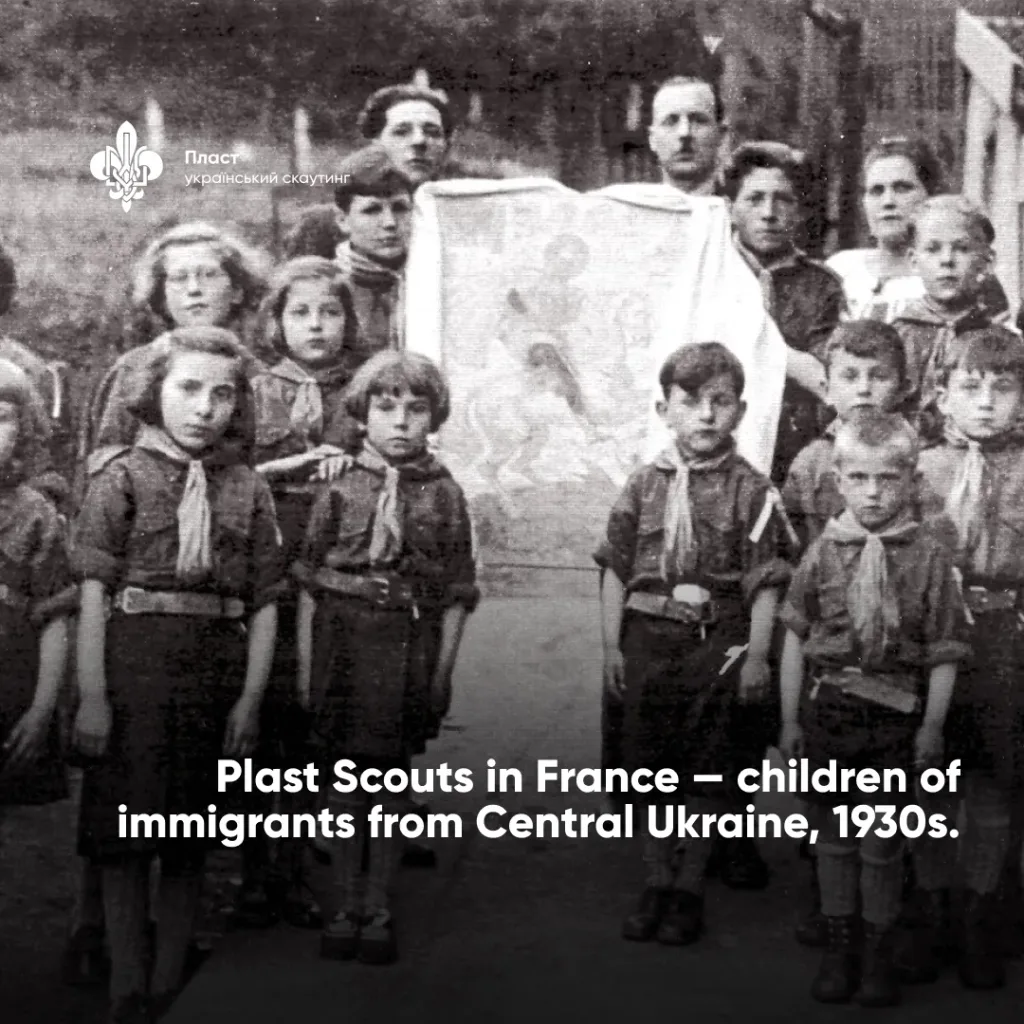
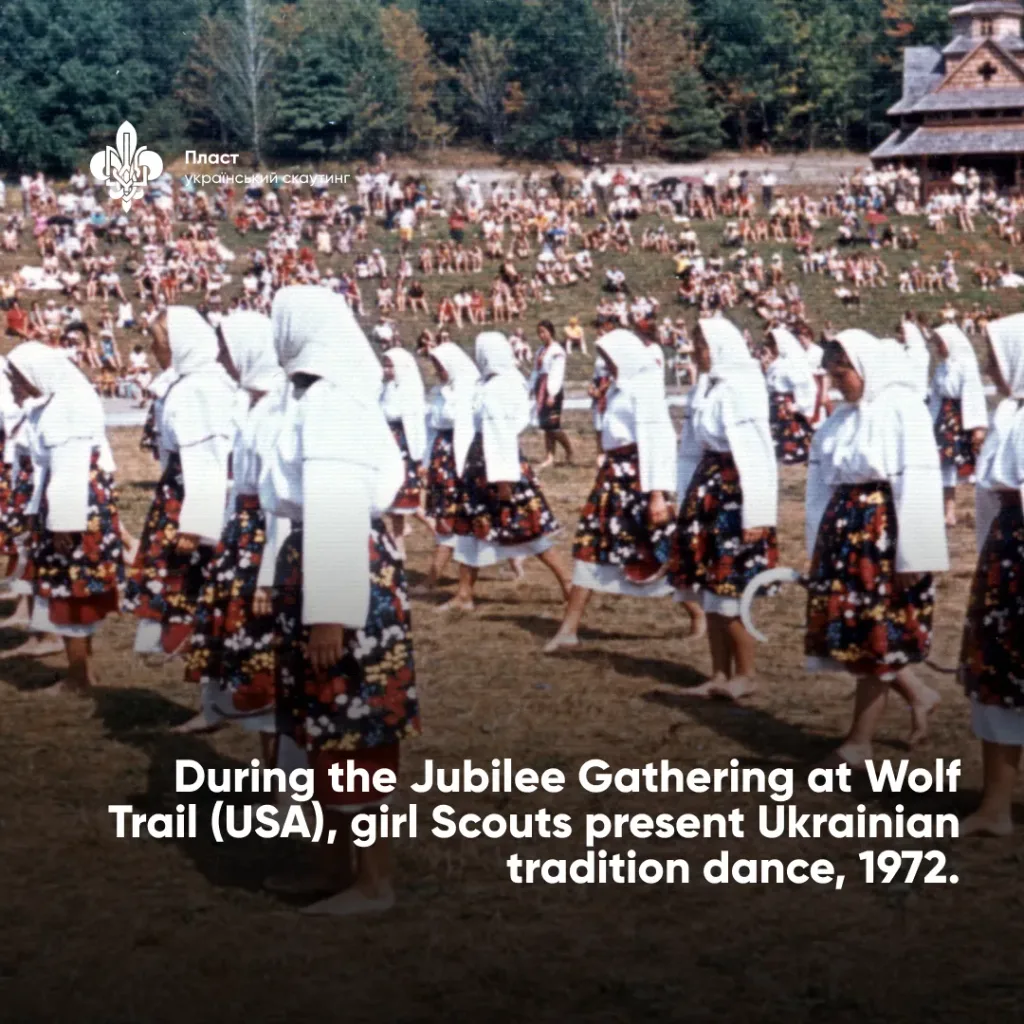
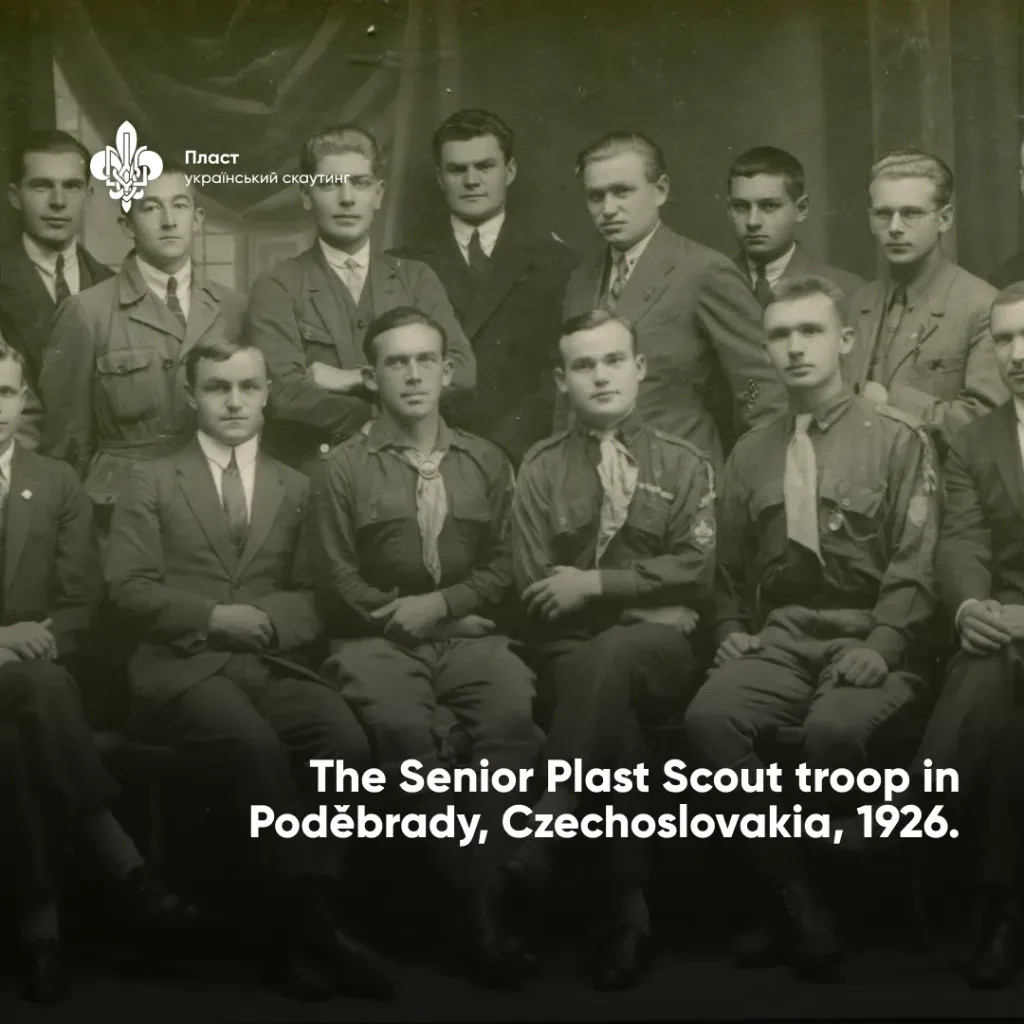
The largest waves of political emigration occurred in the early 1920s—when Plast members from central Ukraine mainly settled in Poland, Czechoslovakia, and France—and at the end of the Second World War, when many Ukrainians first stayed in displaced persons camps and later emigrated overseas to countries such as the United States, Canada, Argentina, and Australia.
In addition to political refugees, many Ukrainians also emigrated for economic reasons. Living abroad, they often felt a strong longing for their homeland and sought to maintain ties with Ukraine while passing on their Ukrainian identity to their children.
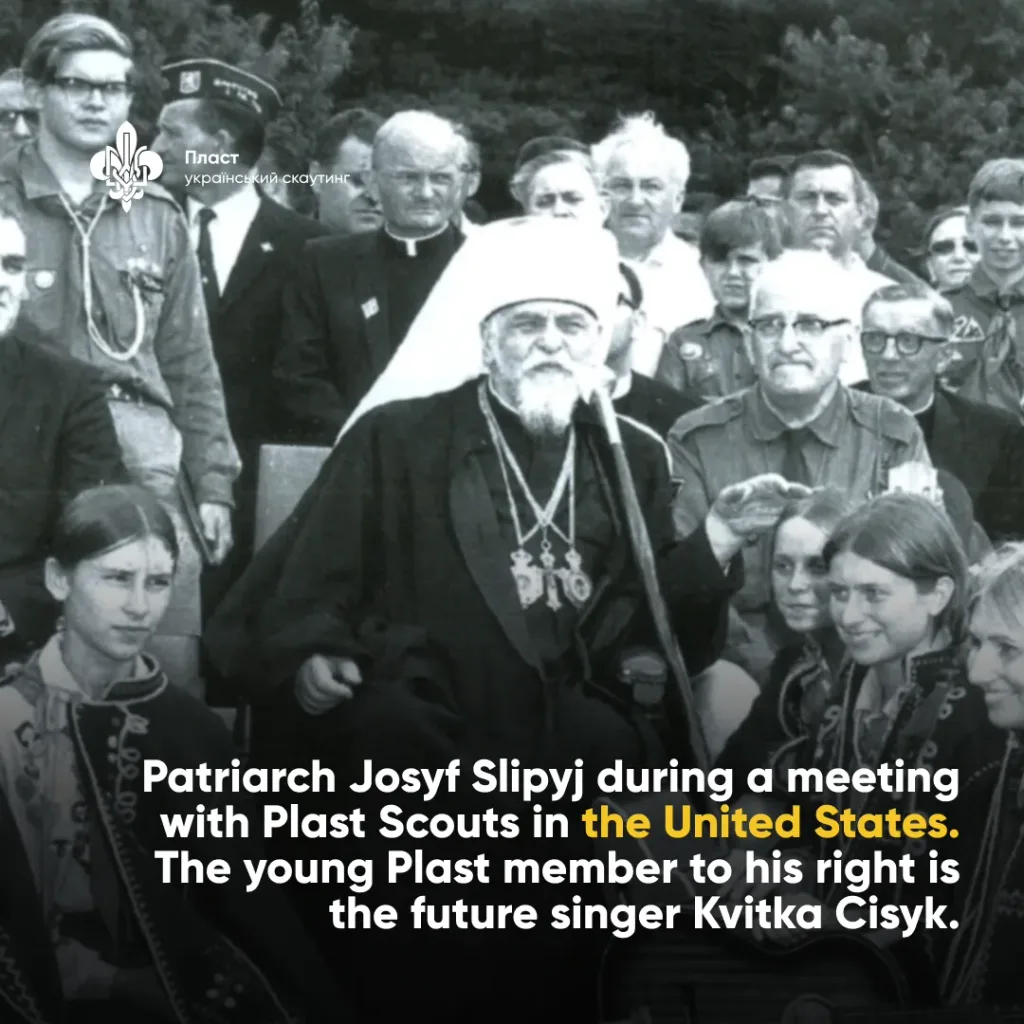
Within these diaspora communities, Ukrainian organizations quickly emerged to help preserve language, culture, and traditions. One of the most effective forms of youth education in this environment was Plast.
This is how Plast groups were established across the diaspora. For decades they preserved Plast traditions, the Ukrainian language, and Ukrainian culture, while maintaining a connection with Ukraine under Soviet rule. In fact, it was the diaspora that preserved Plast during the years when the organization was banned in Ukraine.
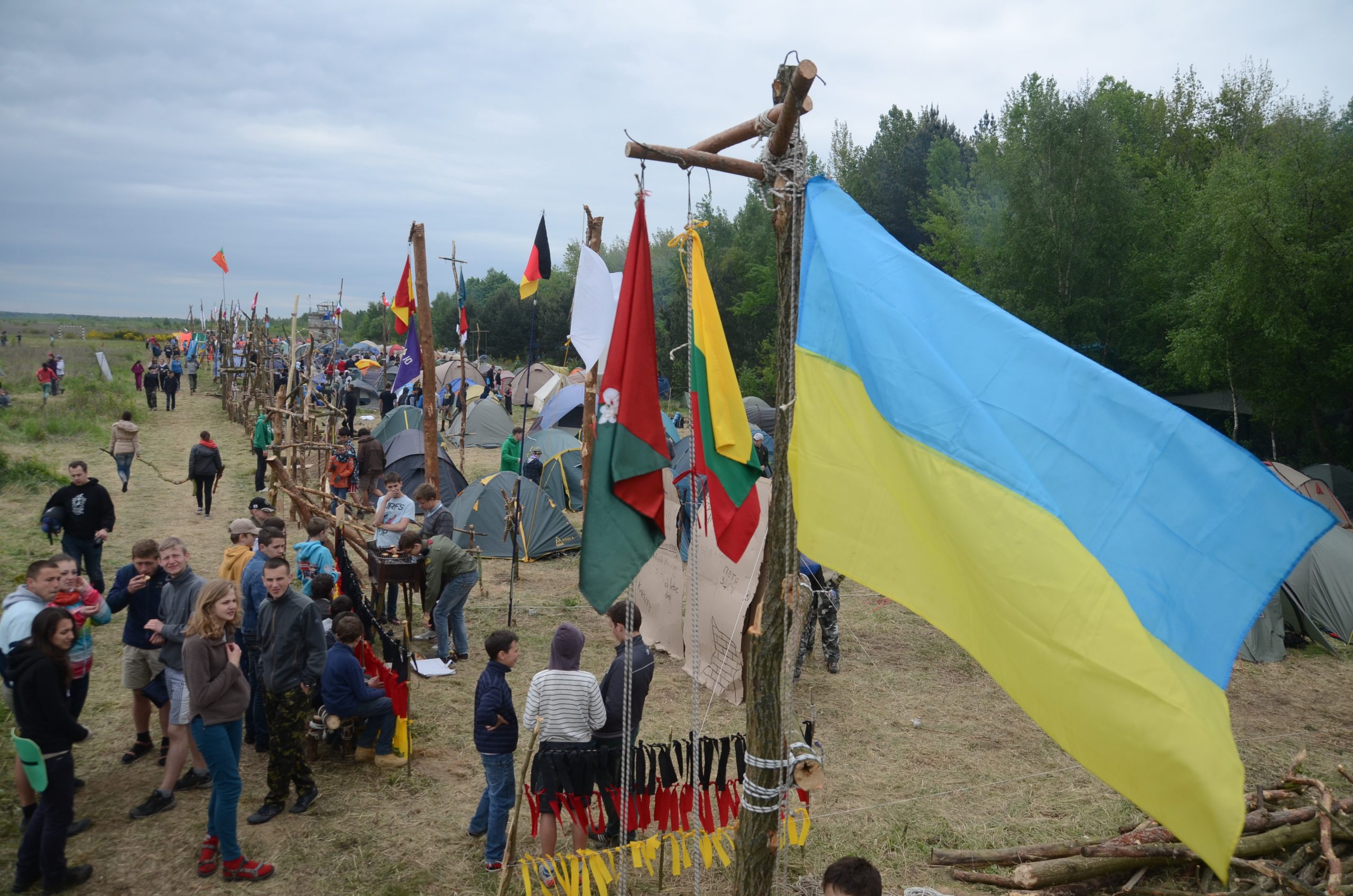
Only in 1990 did Plast officially return to Ukraine—then still part of the Soviet Union. The organization began to rebuild and grow, while Plast members from many countries shared their experience and supported this revival. In this way, Plast—having survived and developed around the world—once again took root in an independent Ukraine.
After the start of Russia’s full-scale invasion, many Ukrainian families faced another difficult choice. While many men volunteered to defend Ukraine’s independence, their wives and children sought safety abroad. In these new places they began building Ukrainian communities once again—for example, Plast members from Volnovakha and Dnipro have helped develop Plast groups in Wrocław and Cyprus.
Today Plast operates in more than 30 countries worldwide, and many long-established diaspora groups have significantly expanded their activities. The main mission of Plast abroad remains the same: to preserve a vibrant Ukrainian cultural environment for children and young people, and to nurture the next generation in the spirit of Ukrainian Scouting.
Поділитися


Related news
Ulyanka had her hair cut to help the defenders
Learn more
Scout camp. Ukraine and Italy!
Learn more
A family of Plast scouts lived in occupied Kherson for half of a year
Learn more
We’re taking part in Iris Central European Jamboree 2022 in Czech Republic
Learn more
Ukrainian and Bulgarian Scouts: cultures meet and hearts connect
Learn more


